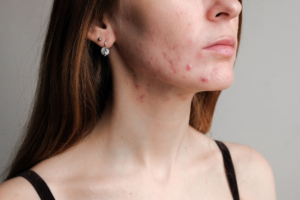
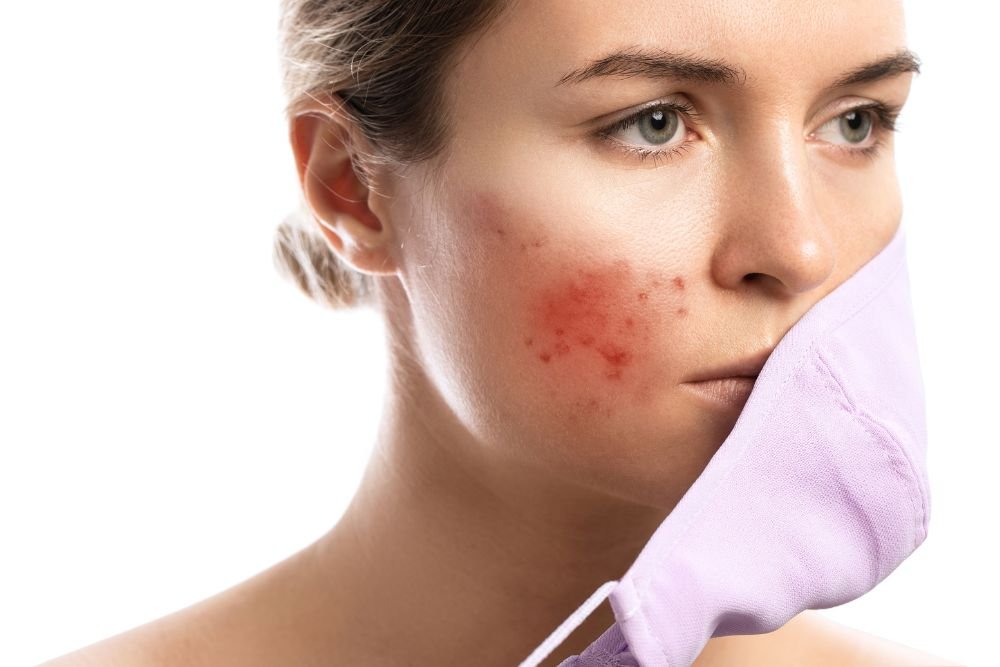
Many adults are deeply frustrated when they experience breakouts well into their 30s and 40s. The common response is to reach for the same harsh, drying salicylic acid or benzoyl peroxide scrubs they used as teenagers. However, adult acne is a completely different biological beast.
At Ziva Wellness, we call this phenomenon The Sebum Shift. Treating adult breakouts requires shifting away from aggressive stripping and moving toward barrier repair and cellular balance.
The Chemistry of Adult Sebum
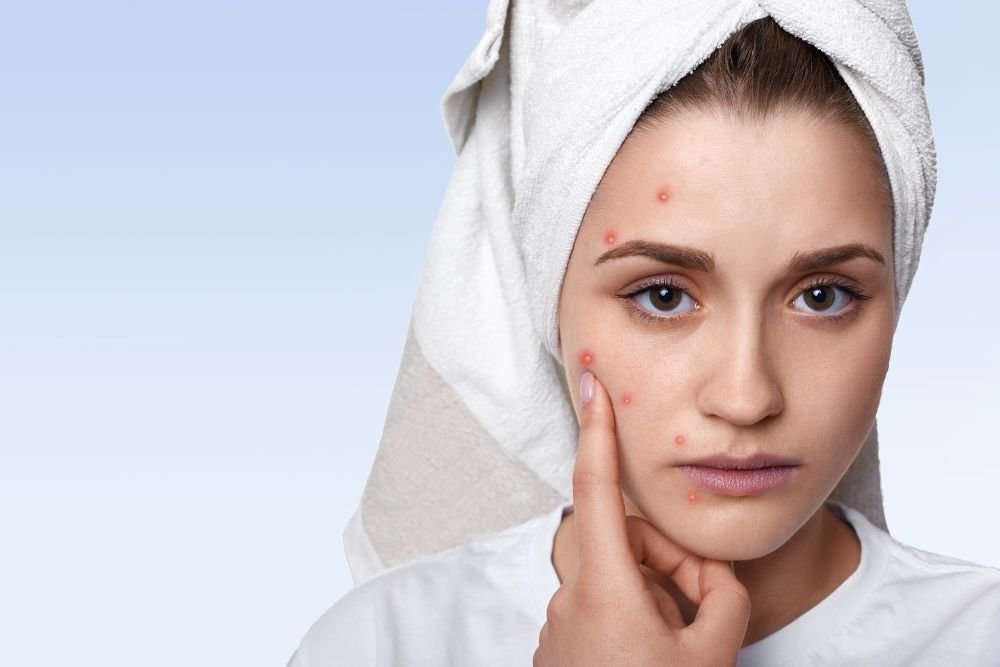
Teenage acne is largely driven by a massive, puberty-induced surge of sebum (oil) volume. Adult acne, however, is often driven by a change in the composition of your sebum, not just the quantity.
- The Squalene Oxidation Problem:Under the influence of chronic stress (cortisol) and environmental pollutants, the squalene naturally present in your sebum oxidizes. Oxidized squalene becomes highly thick and sticky, making it incredibly effective at plugging pores and triggering deep, painful inflammation.
- The Sluggish Turnover Factor:As an adult, your skin cell turnover rate slows down significantly compared to your teenage years. Dead skin cells linger on the surface longer, easily trapping the altered, sticky sebum beneath the surface.
The Role of the “Inflammaging” Cycle
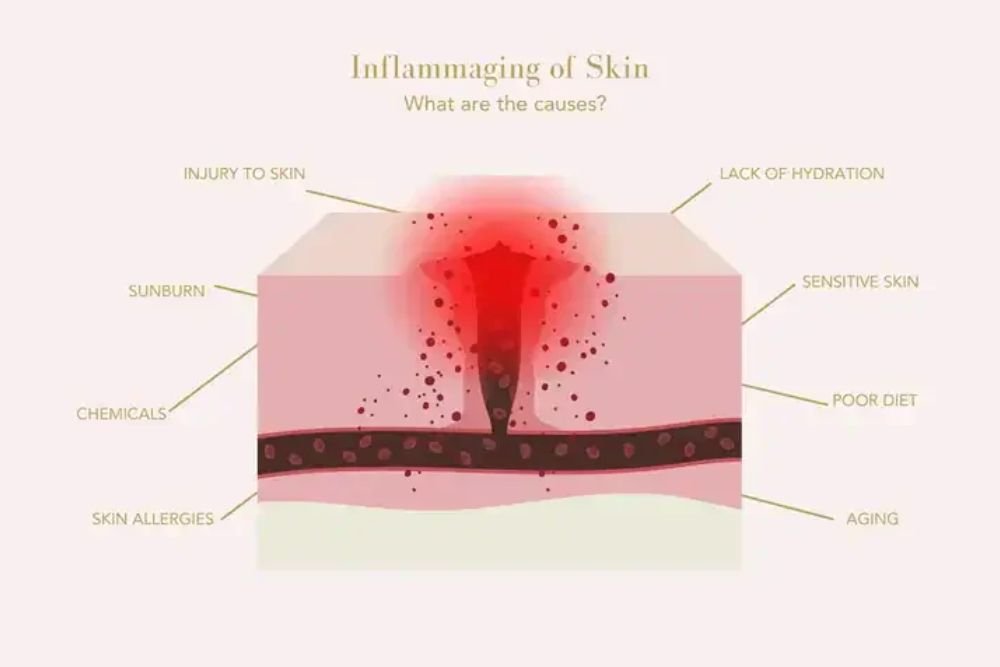
Adult skin is far more prone to chronic low-grade inflammation, a concept known in 2026 as inflammaging. When a pore gets blocked in adult skin, the immune response is often slower but much more intense, leading to deep, cystic lesions along the jawline and lower face rather than quick-healing whiteheads on the T-zone.
The Ziva Reconstruction Strategy

To clear adult acne, Dr. Vini Singh avoids stripping the skin barrier, which only triggers more reactionary oil production. Instead, we use a dual-action approach:
- Targeted Alpha-Hydroxy Acids (AHAs) and Retinaldehyde:To gently accelerate cellular turnover without inducing barrier panic.
- Anti-Inflammatory Medical Facials:Utilizing pure, calming oxygen infusions and specific wavelengths of blue LED light to destroy acne-causing bacteria at a cellular level while keeping the surface hydrated.