
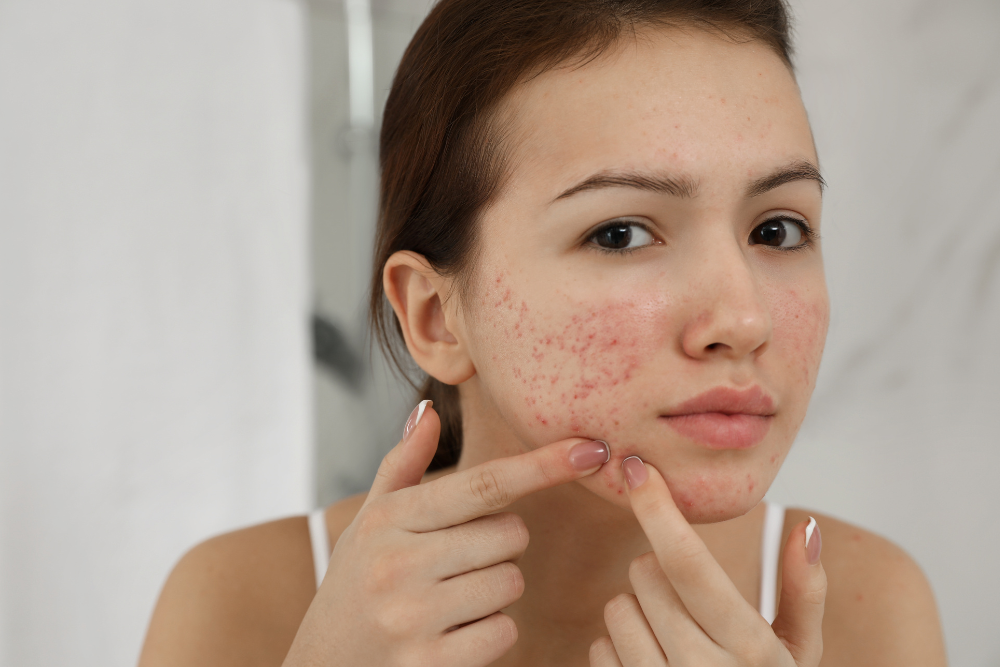
Acne scars are more than surface-level blemishes—they are structural indentations in the dermis where normal collagen matrix was destroyed during past inflammatory breakouts. While superficial peels and topical creams only smooth the top layer of skin, the Fractional CO2 Laser physically restructures the underlying tissue.
At Ziva Wellness, Dr. Vini Singh uses advanced laser physics to repair different types of acne scars from the inside out.
The Three Types of Acne Scars and How CO2 Responds
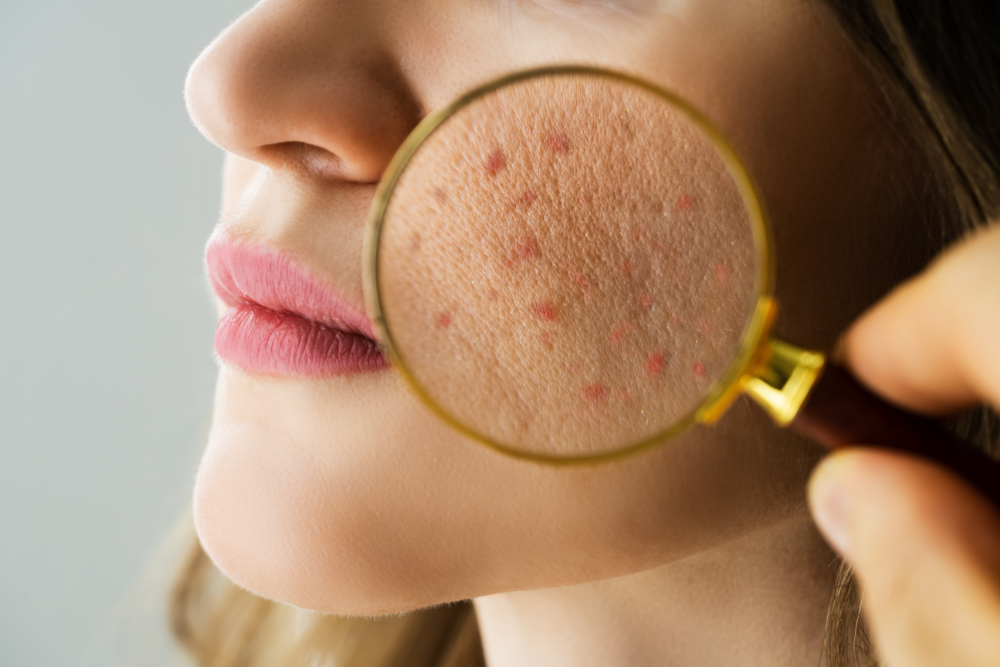
Not all acne scars are created equal. Effective treatment requires matching laser settings to the exact scar depth:
- Rolling Scars (Wave-like indentations):Caused by fibrous bands of tissue pulling the skin downward toward the muscle. The CO2 laser vaporizes these fibrous anchor points while stimulating new collagen to push the depression back up to the surface.
- Boxcar Scars (Broad, sharp-edged depressions):The high-energy laser beam ablates the hard, vertical borders of boxcar scars, blending the sharp edges smoothly into the surrounding skin.
- Icepick Scars (Deep, narrow punctures):Because these scars extend deep into the lower dermis, Dr. Vini often combines high-density CO2 micro-pulses with targeted focal treatments to encourage deep collagen filling.
The Power of Combination Therapy: Subcision + CO2 Laser
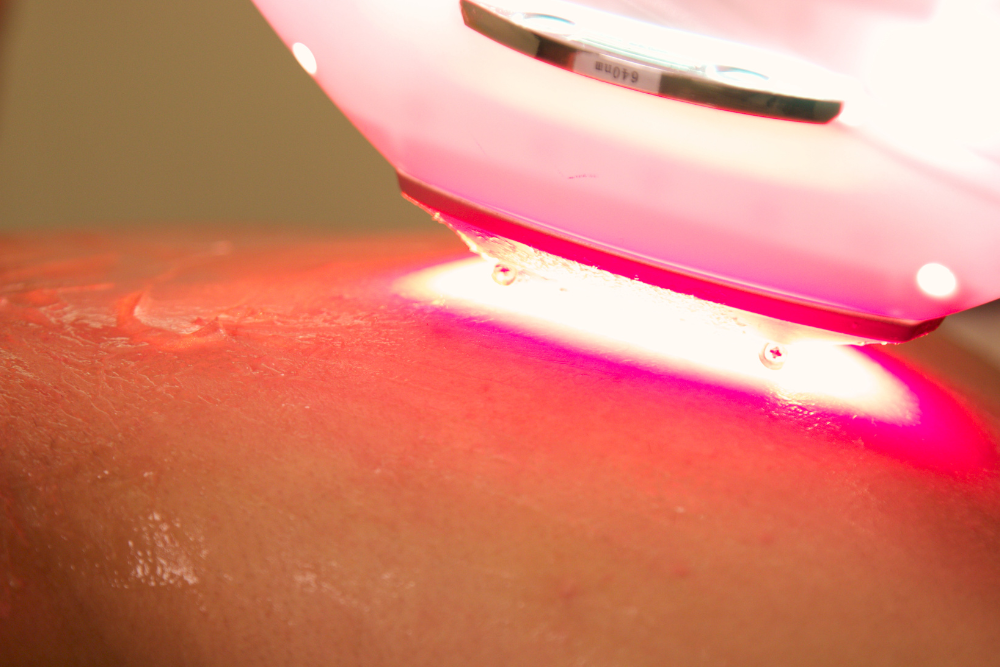
For deep, stubborn scars, relying on a laser alone isn’t always enough. In our clinic, we frequently pair CO2 resurfacing with subcision.
Before applying the laser, a specialized micro-cannula is inserted beneath the scar to mechanically sever the tight fibrous bands holding the skin down. Once the tether is released, the fractional CO2 laser is applied over the top to trigger massive new collagen production. This dual approach delivers dramatically smoother results in fewer sessions.

