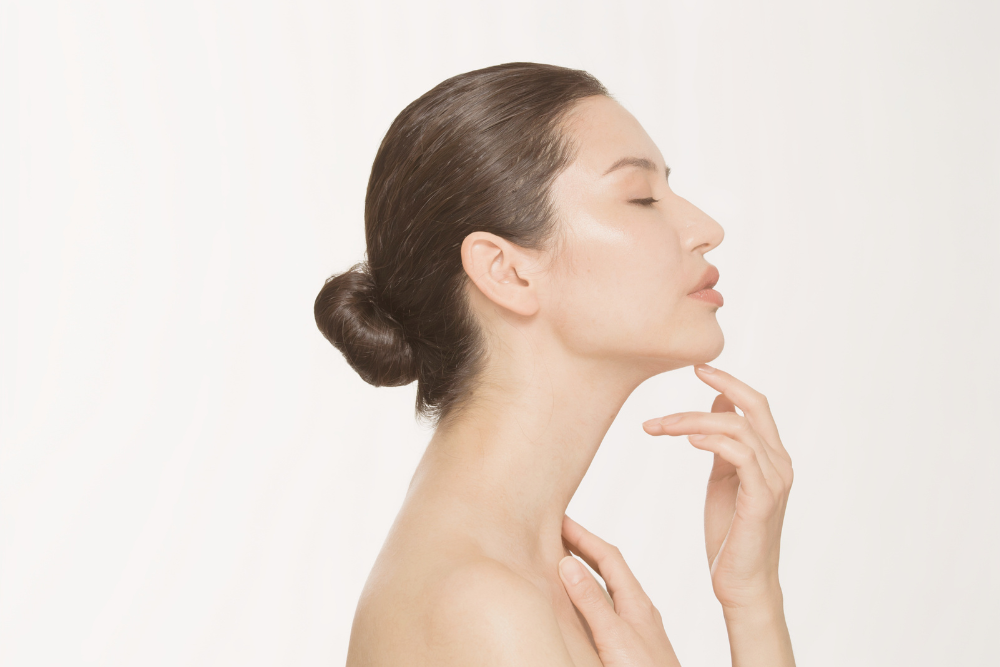
Ancient “face mapping” charts claim that a pimple on your forehead indicates liver trouble, while a spot on your nose points to heart stress. While these charts are popular on social media, modern dermatological science tells a very different, highly specific story.
While arbitrary facial zones don’t mirror internal organs, one area of the face does have a direct, scientifically proven connection to your body’s chemistry: the lower third of the face (jawline, chin, and lower cheeks).
The Jawline-Hormone Connection

Why do hormonal breakouts cluster around the lower face and neck?
Higher Androgen Receptor Density:The hair follicles and oil glands along your jawline and chin possess a significantly higher concentration of androgen receptors.
The Sebum Spike:During hormonal fluctuations—such as the pre-menstrual phase, PCOS, or periods of high stress—androgen hormones (like testosterone and DHEA) signal these sensitive receptors to produce thick, sticky sebum.
Deep, Blind Cysts:Because jawline pores are deep and densely packed with oil glands, these hormonal spikes lead to painful, sub-surface nodules that rarely come to a head.
[Hormonal Fluctuation / Stress] ➡️ [Androgen Receptors Triggered] ➡️ [Jawline Sebum Spike] ➡️ [Deep Cystic Acne]
How Medical Science Treats Hormonal Acne
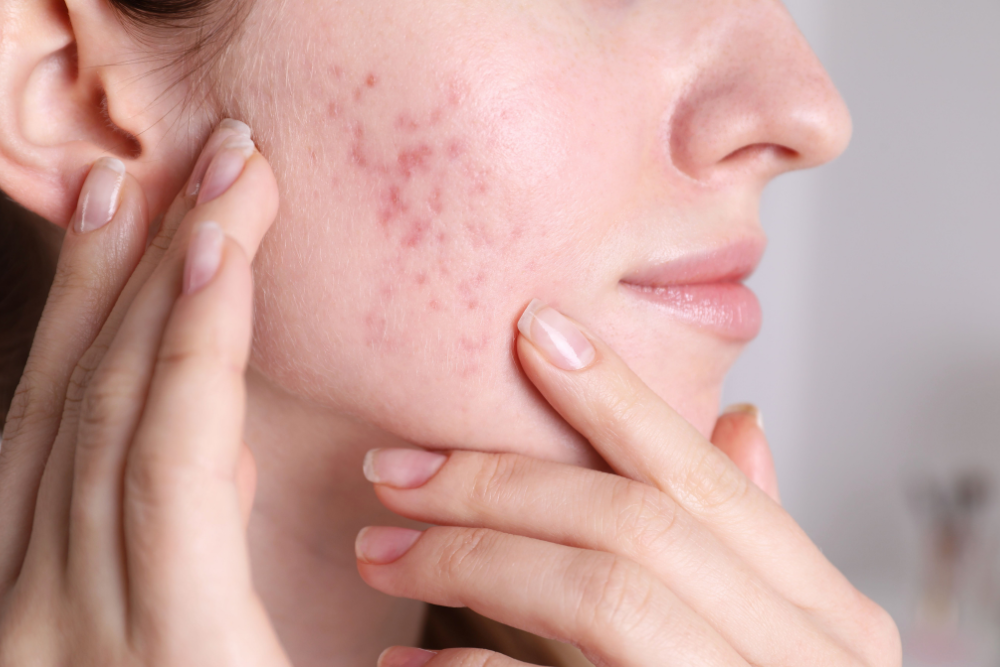
Over-the-counter scrubs can’t reach deep androgenic receptors. At Ziva Wellness, Dr. Vini Singh combines internal balance strategies (such as targeted medical topicals and hormonal evaluation) with clinical treatments like medical salicylic peels and blue LED light therapy to calm deep inflammation before it causes scarring.