
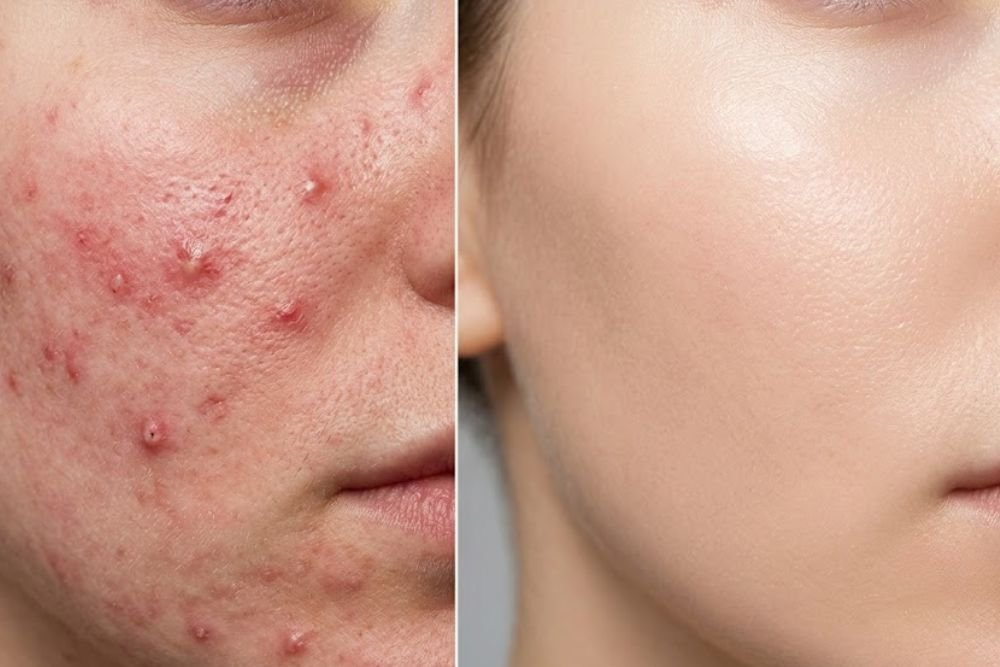
One of the most common questions patients ask Dr. Vini Singh is: “Can I get a CO2 laser treatment to erase my acne while I still have active breakouts?”
To answer this, we need to distinguish between active inflammatory acne and post-acne structural scarring. Using high-energy ablative lasers on the wrong phase of acne can lead to unwanted irritation—which is why sequencing your treatments correctly is essential.
Phase 1: Clear the Fire (Active Inflammatory Acne)
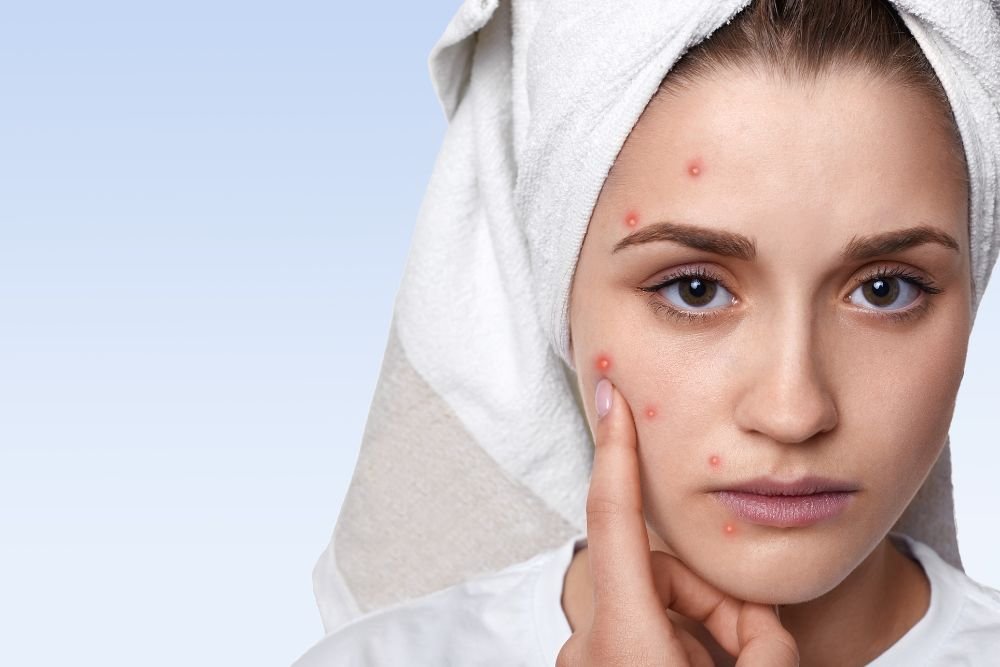
When skin has active, inflamed pimples, pustules, or cysts, the immediate goal is to cool down the inflammation and eliminate bacteria.
- Why CO2 Lasers Aren’t Used Here:Firing a deep ablative CO2 laser directly over widespread, open, inflamed pustules can spread bacteria across the face and cause severe irritation.
- The Better Approach:Active acne should first be managed with medical skincare, oral or topical prescriptions, LED light therapy, and targeted chemical peels until the skin is calm and breakout-free.
[Phase 1: Clear Active Acne] ➡️ Medical Topicals + Peels ➡️ [Calm, Smooth Surface]
[Phase 2: Treat Permanent Scars] ➡️ Fractional CO2 Resurfacing ➡️ [Collagen Structural Fill]
Phase 2: Rebuild the Foundation (Post-Acne Scarring)
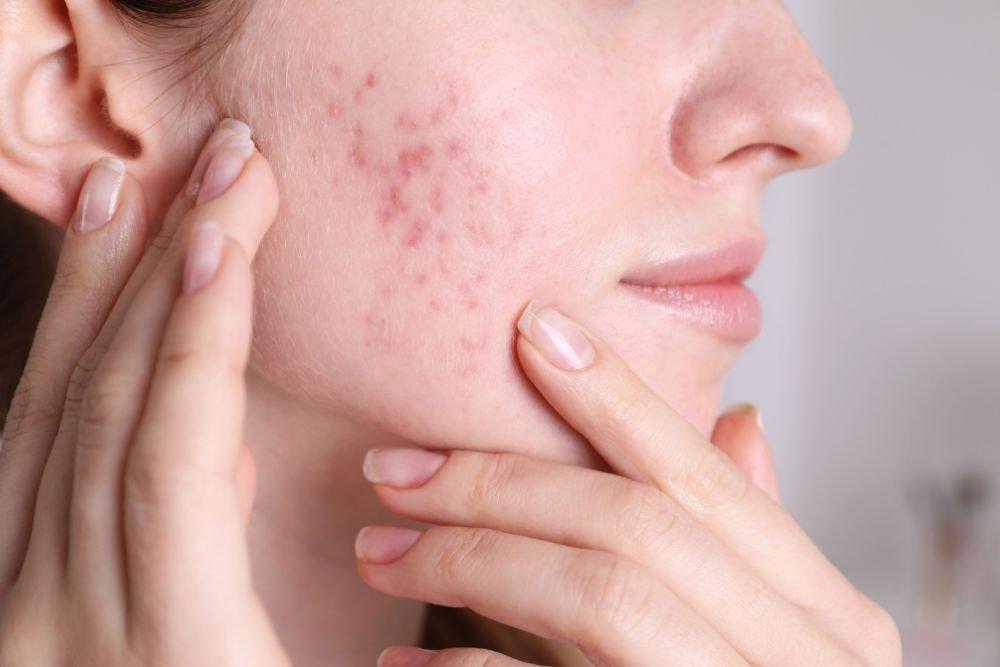
Once active breakouts are resolved, you may be left with structural depressions (icepick, boxcar, or rolling scars). This is where the Fractional CO2 Laser becomes the undisputed gold standard.
- Micro-Channel Ablation:The CO2 laser vaporizes micro-columns of scar tissue down into the dermis.
- Neocollagenesis:The thermal heat signals your fibroblast cells to produce a wave of fresh collagen, filling in deep depressions from the bottom up.
- Textural Blending:Sharp scar edges are smoothed down, blending seamlessly into the surrounding healthy tissue over 3 to 6 months.