Whether caused by sudden growth spurts, pregnancy, or weight changes, stretch marks (striae distensae) are a frustrating form of dermal scarring. Because they occur in the deep dermis where elastic fibers tear under pressure, topical creams and oils rarely produce visible structural change.
However, high-energy Fractional CO2 Laser Resurfacing offers a clinically proven method to dramatically fade their appearance and rebuild broken elastic architecture.
Red vs. White Stretch Marks: Understanding the Stages
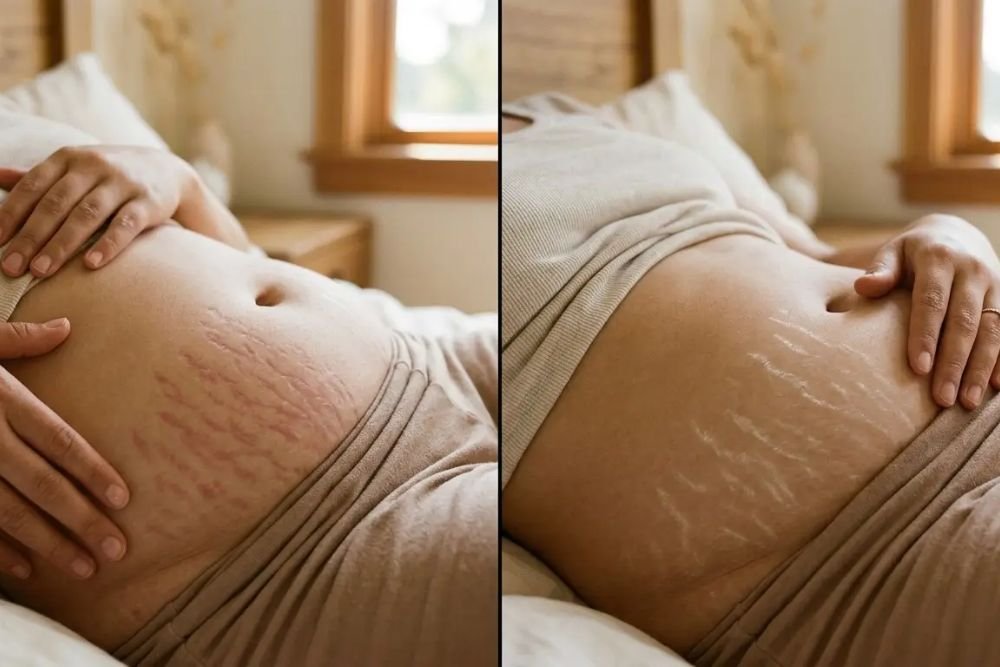
The success of laser treatment depends heavily on the maturity of your stretch marks:
- Striae Rubrae (New, Red/Purple Stretch Marks):These are early-stage tears that still contain active blood vessels and acute inflammation. They respond rapidly to laser therapy, as the tissue is still actively trying to heal.
- Striae Albae (Old, White/Silver Stretch Marks):These are mature, settled scars where blood vessels have faded and the skin has lost significant collagen, leaving thin, sunken tracks.
| Stretch Mark Phase | Tissue Characteristics | CO2 Laser Mechanism |
| New (Striae Rubrae) | Red/purple, inflamed, active blood flow | Calms inflammation and builds early collagen |
| Old (Striae Albae) | White/silver, depressed, loss of elasticity | Ablates depressed scar tissue & contracts edges |
How the CO2 Laser Rebuilds the Dermal Tear
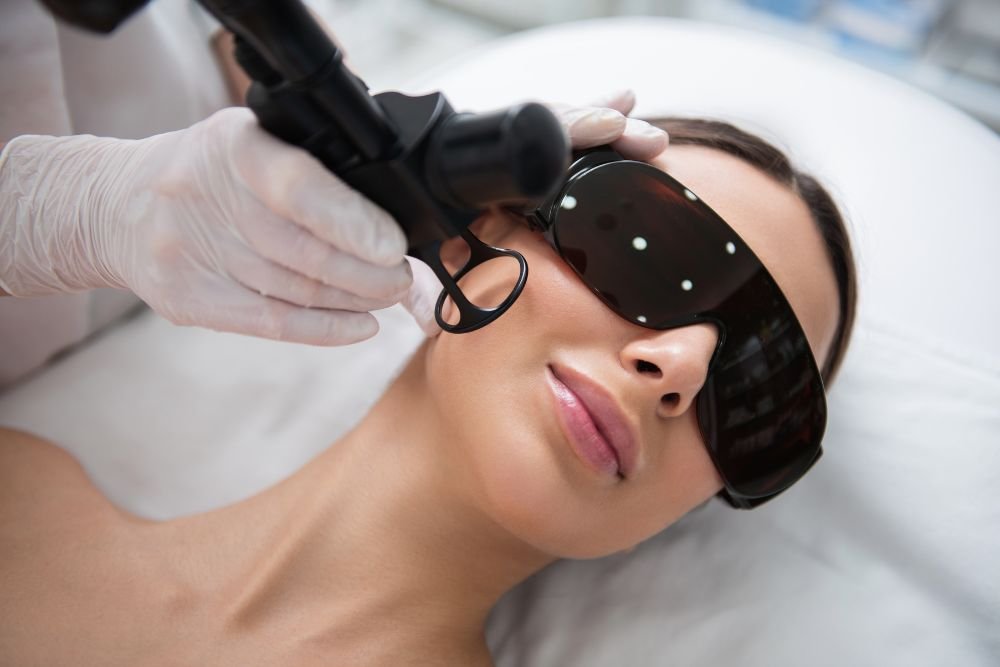
When treating stretch marks, the fractional laser fires microscopic beams directly into the depressed scar tissue:
- Edge Blending:The heat ablates the sharp, sunken edges of the stretch mark, smoothing its texture out to match the surrounding healthy skin.
- Deep Collagen Infill:Thermal energy penetrates down into the damaged dermis, triggering new collagen and elastin production that pushes the sunken track upward.
- Pigment Balancing:Over a series of sessions, the micro-injuries encourage surrounding normal skin cells to migrate into the scar, softening the contrast between the stretch mark and your natural skin tone.