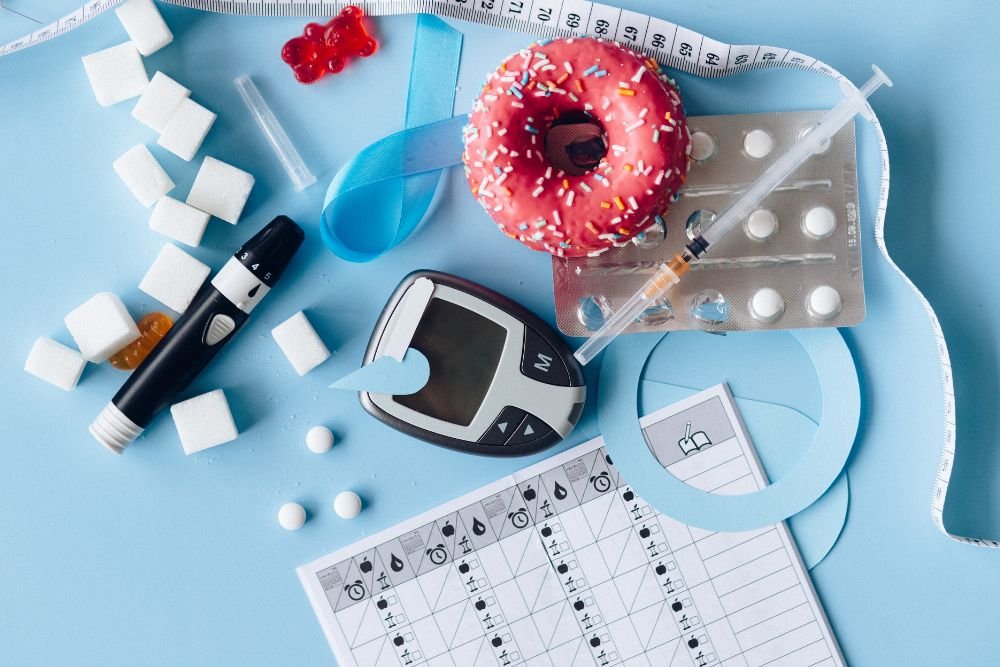
We all know that a high-sugar diet impacts our metabolic health and weight. However, inside the dermis, sugar acts as a direct physical accelerator of aging through a silent chemical reaction called Glycation.
If you are invested in medical-grade skincare or clinic treatments, understanding how sugar interacts with your cellular proteins is critical to protecting your investment.
What is Glycation?
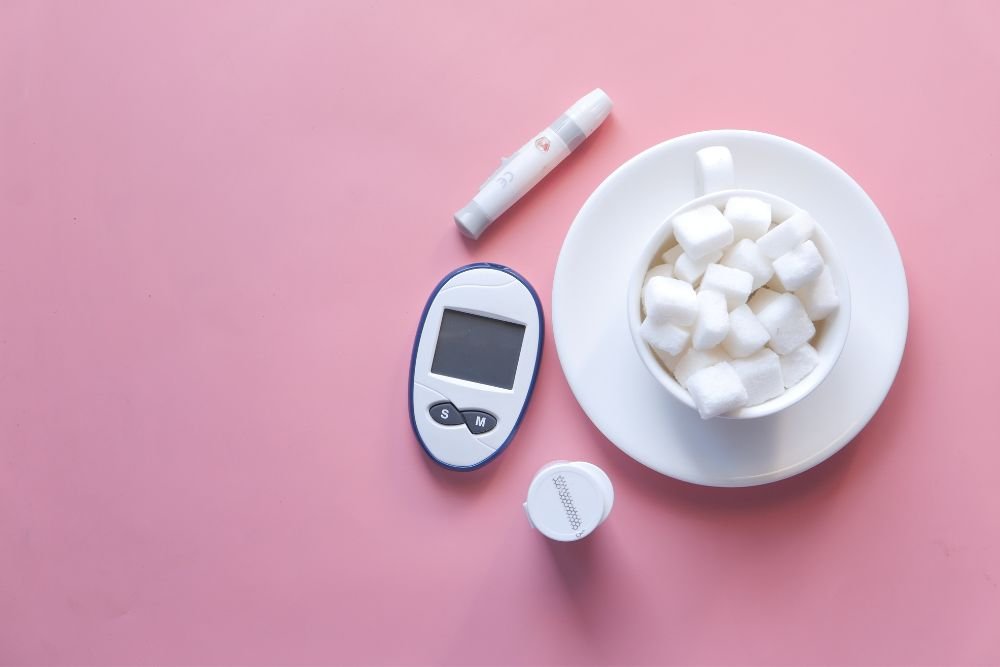
When elevated levels of glucose (sugar) enter your bloodstream, they float through your tissues and randomly attach themselves to vital proteins—specifically collagen and elastin, the very fibers that keep your skin bouncy and firm.
This bonding creates mutated, stiffened proteins appropriately known as A.G.E.s (Advanced Glycation End-Products).
The “Caramelization” of Skin
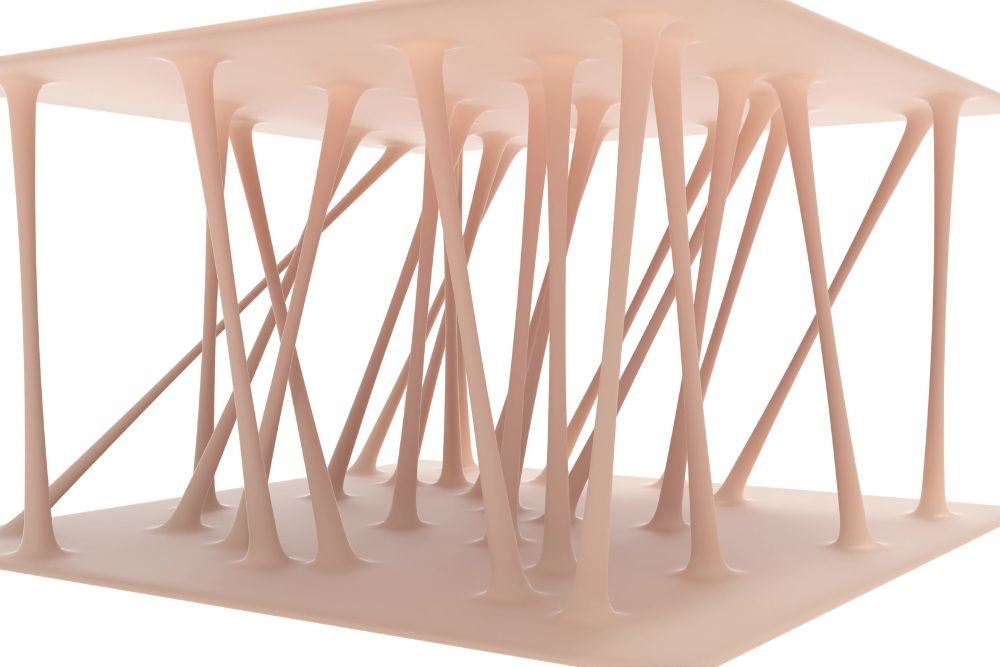
Think of what happens when you heat sugar in a pan: it goes from fluid and clear to hard, brittle, and brown. A similar process occurs within your skin scaffold:
- Loss of Elasticity:Healthy collagen is springy and flexible. Once cross-linked with sugar into A.G.E.s, the fibers become stiff, brittle, and lose their ability to snap back.
- The “Sugar Sag”:Glycated skin tends to look thin, dry, and develops deep, criss-cross wrinkles (especially around the mouth and cheeks) that are highly resistant to traditional treatments.
- Inability to Self-Repair:Brittle, glycated collagen blocks the skin’s natural recycling process, meaning your cells struggle to clear away old tissue to make room for new collagen.
How to Defend Your Dermal Scaffold
- Topical Carnosine and Aminoguanidine:Look for skincare serums that feature anti-glycation peptides. These ingredients act as decoy targets, absorbing the excess sugar molecules before they can attach to your collagen.
- Glucose Spikes Management:Incorporating lifestyle adjustments—such as consuming fiber and healthy fats before complex carbohydrates—smoothes out blood sugar spikes, protecting your skin from sudden waves of glycation.