In the pursuit of smoother, brighter skin, the internet has popularized the dangerous trend of DIY chemical peels—using ingredients like lemon juice, vinegar, or high-concentration acids purchased online. While the idea of achieving a glow cheaply at home is tempting, this is one beauty trend you should absolutely avoid. The risks of DIY peels far outweigh any perceived benefit, often leading to severe complications that require professional correction.
The pH Problem: Why You Cannot Control Acid at Home

The Unstable Acid Level
Professional chemical peels are effective because they use highly purified acids with a meticulously controlled pH level and concentration, ensuring uniform, predictable penetration into the skin. When you use household ingredients like lemon juice (which has a pH of about 2) or apple cider vinegar (pH 2.5–3), the acidity is uncontrolled, variable, and often too harsh for facial skin.
The Risk of Chemical Burns
Skin damage occurs when the acid penetrates deeper than intended. At home, you lack the professional knowledge to assess your skin’s immediate reaction, properly neutralize the acid, or gauge the correct application time. This makes a chemical burn, severe redness, blistering, and intense irritation not just a risk, but a high probability.
The Long-Term Consequences of DIY Mistakes
Post-Inflammatory Hyperpigmentation (PIH)
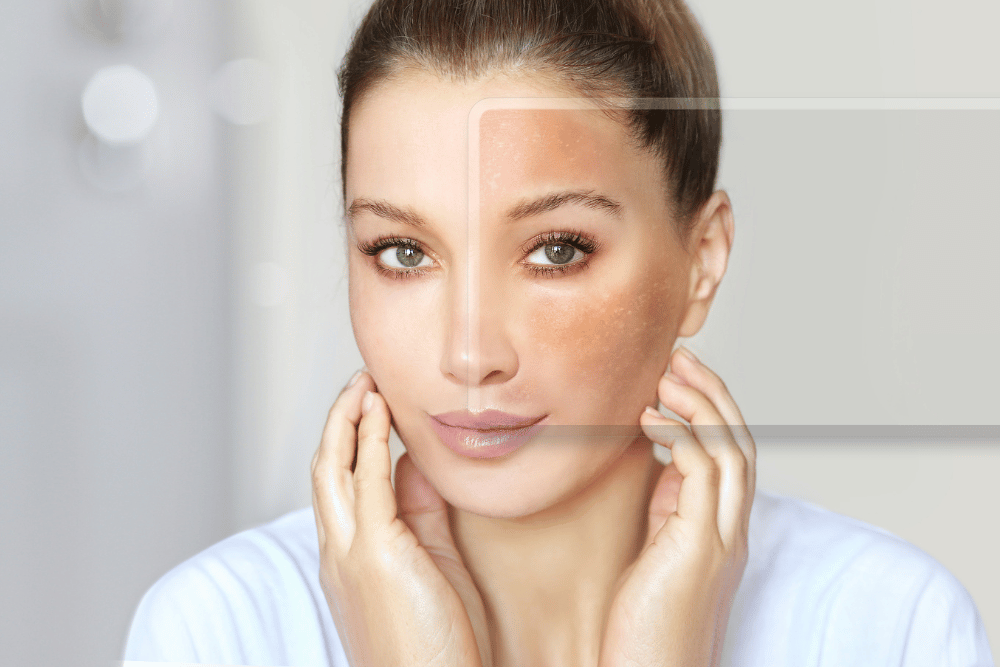
A severe burn or uncontrolled irritation triggers a powerful inflammatory response in the skin. For many, especially those with darker or sensitive skin tones, this inflammation leads to severe Post-Inflammatory Hyperpigmentation (PIH)—dark patches that can be far worse and more stubborn than the original concern. Fixing PIH often requires months of professional treatment.
Scarring and Permanent Texture Damage
In the worst-case scenarios, DIY peels can cause deep tissue injury leading to permanent scarring, pitting, and irreparable damage to the skin’s natural texture. The perceived short-term savings are eclipsed by the significant cost and time required to correct this permanent damage.
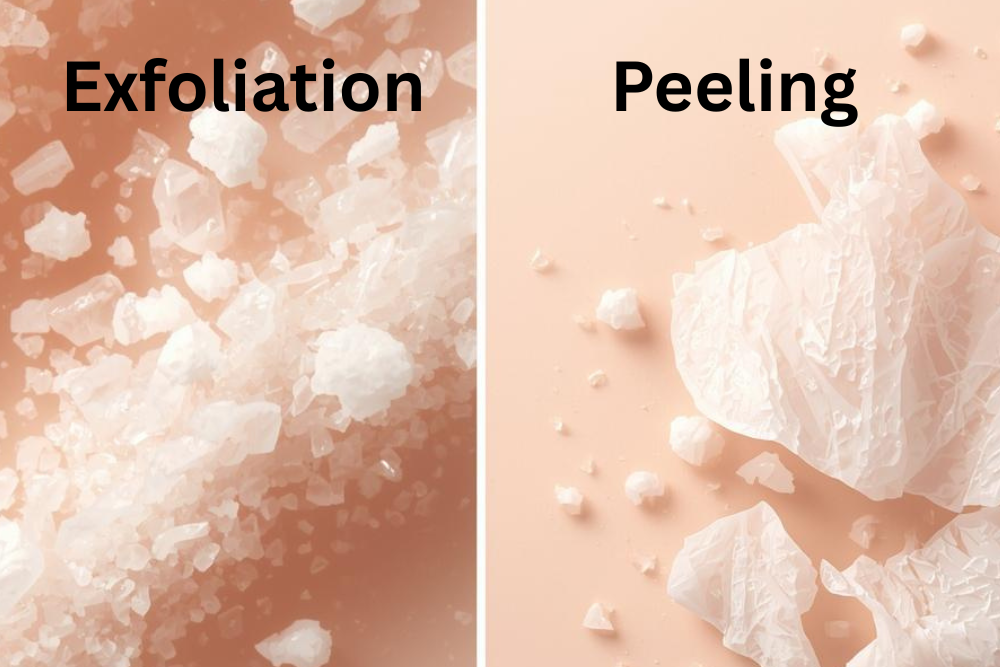
The Distinction: Exfoliation vs. Peeling
Safe At-Home Exfoliation
There is a huge difference between a safe, gentle at-home exfoliant (like an enzyme mask or a 5% glycolic serum) and a medical peel. At-home products are formulated to work on the very surface of the dead skin layer. They are designed to be self-neutralizing and low-risk.
Professional Peeling is Controlled Injury
A medical-grade peel is a controlled injury designed to trigger a specific cellular response and regeneration deep within the epidermis or dermis. This must be monitored by a professional who can assess your skin type, neutralize the acid precisely, and adjust the depth based on real-time skin reaction.
Choose Safety: The Ziva Wellness Advantage

Your skin deserves safe, predictable, and effective treatment. At Ziva Wellness, our professional peels are:
- Customized: Dr. Vini Singh selects the precise acid (TCA, Glycolic, Lactic, Salicylic) and concentration based on your skin type, concerns (acne, fine lines, hyperpigmentation), and sensitivity.
- Controlled: We ensure the peel reaches the exact, safe depth necessary to achieve correction without causing damage.
- Supported: You receive expert aftercare guidance to ensure flawless healing and maximum results.
Conclusion:
While the goal of achieving flawless skin is understandable, never compromise safety. Put down the kitchen ingredients and leave the chemical peels to the trained medical professionals. The risk of permanent scarring and severe pigmentation from an uncontrolled DIY treatment is simply not worth the gamble.
Ready for proven results without the risk? Schedule a consultation with Dr. Vini Singh at Ziva Wellness today to discuss a customized, medical-grade peel plan tailored to your skin’s needs.